

 https://wp.lifesci.ucla.edu/ibp/wp-content/uploads/sites/2/2024/04/Green-Minimalist-About-Me-Instagram-Post.png
1080
1080
sheena28
https://wp.lifesci.ucla.edu/ibp/wp-content/uploads/sites/2/2019/09/Uxd_Blk_IntegrativeBioPhysio_A-e1573072346983.png
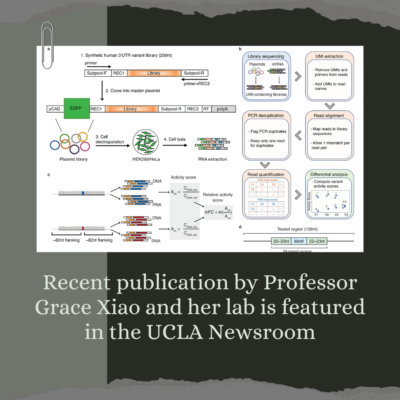
sheena282024-04-18 17:51:192024-04-18 17:55:25Recent publication by Professor Grace Xiao and her lab is featured in the UCLA Newsroom
https://wp.lifesci.ucla.edu/ibp/wp-content/uploads/sites/2/2024/04/Green-Minimalist-About-Me-Instagram-Post.png
1080
1080
sheena28
https://wp.lifesci.ucla.edu/ibp/wp-content/uploads/sites/2/2019/09/Uxd_Blk_IntegrativeBioPhysio_A-e1573072346983.png
sheena282024-04-18 17:51:192024-04-18 17:55:25Recent publication by Professor Grace Xiao and her lab is featured in the UCLA Newsroom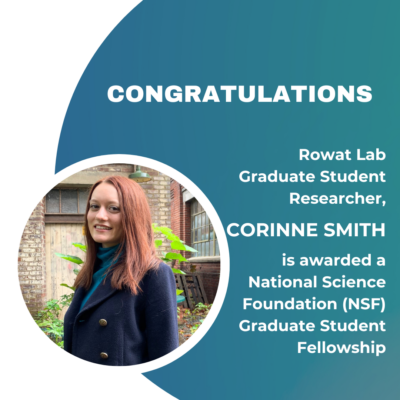 https://wp.lifesci.ucla.edu/ibp/wp-content/uploads/sites/2/2024/04/CSmith-NSF-Fellowship-42024.png
1080
1080
nitindhami
https://wp.lifesci.ucla.edu/ibp/wp-content/uploads/sites/2/2019/09/Uxd_Blk_IntegrativeBioPhysio_A-e1573072346983.png
nitindhami2024-04-10 13:09:072024-04-10 13:09:11Amy Rowat Lab Graduate Student Researcher, Corinne Smith, is awarded a National Science Foundation (NSF) Graduate Student Fellowship. The award provides three years of financial support. Congratulations, Corinne!
https://wp.lifesci.ucla.edu/ibp/wp-content/uploads/sites/2/2024/04/CSmith-NSF-Fellowship-42024.png
1080
1080
nitindhami
https://wp.lifesci.ucla.edu/ibp/wp-content/uploads/sites/2/2019/09/Uxd_Blk_IntegrativeBioPhysio_A-e1573072346983.png
nitindhami2024-04-10 13:09:072024-04-10 13:09:11Amy Rowat Lab Graduate Student Researcher, Corinne Smith, is awarded a National Science Foundation (NSF) Graduate Student Fellowship. The award provides three years of financial support. Congratulations, Corinne!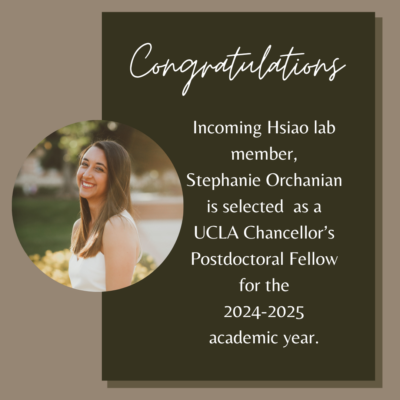 https://wp.lifesci.ucla.edu/ibp/wp-content/uploads/sites/2/2024/04/S-Orchanian-Chancellor-postdoctoral-fellow-posting-42024.png
1080
1080
nitindhami
https://wp.lifesci.ucla.edu/ibp/wp-content/uploads/sites/2/2019/09/Uxd_Blk_IntegrativeBioPhysio_A-e1573072346983.png
nitindhami2024-04-10 13:00:592024-04-10 13:10:49Congratulations to incoming Elaine Hsiao lab member, Stephanie Orchanian. She has been selected as a UCLA Chancellor’s Postdoctoral Fellow for the 2024-2025 academic year.
https://wp.lifesci.ucla.edu/ibp/wp-content/uploads/sites/2/2024/04/S-Orchanian-Chancellor-postdoctoral-fellow-posting-42024.png
1080
1080
nitindhami
https://wp.lifesci.ucla.edu/ibp/wp-content/uploads/sites/2/2019/09/Uxd_Blk_IntegrativeBioPhysio_A-e1573072346983.png
nitindhami2024-04-10 13:00:592024-04-10 13:10:49Congratulations to incoming Elaine Hsiao lab member, Stephanie Orchanian. She has been selected as a UCLA Chancellor’s Postdoctoral Fellow for the 2024-2025 academic year. https://wp.lifesci.ucla.edu/ibp/wp-content/uploads/sites/2/2024/03/Screenshot-2024-03-04-at-10.33.44 AM.png
1964
3034
trandrew
https://wp.lifesci.ucla.edu/ibp/wp-content/uploads/sites/2/2019/09/Uxd_Blk_IntegrativeBioPhysio_A-e1573072346983.png
trandrew2024-03-04 10:35:502024-03-04 10:37:28UCLA Rowat Lab creating alternative proteins to fight emissions-producing food system
https://wp.lifesci.ucla.edu/ibp/wp-content/uploads/sites/2/2024/03/Screenshot-2024-03-04-at-10.33.44 AM.png
1964
3034
trandrew
https://wp.lifesci.ucla.edu/ibp/wp-content/uploads/sites/2/2019/09/Uxd_Blk_IntegrativeBioPhysio_A-e1573072346983.png
trandrew2024-03-04 10:35:502024-03-04 10:37:28UCLA Rowat Lab creating alternative proteins to fight emissions-producing food systemEducational Programs
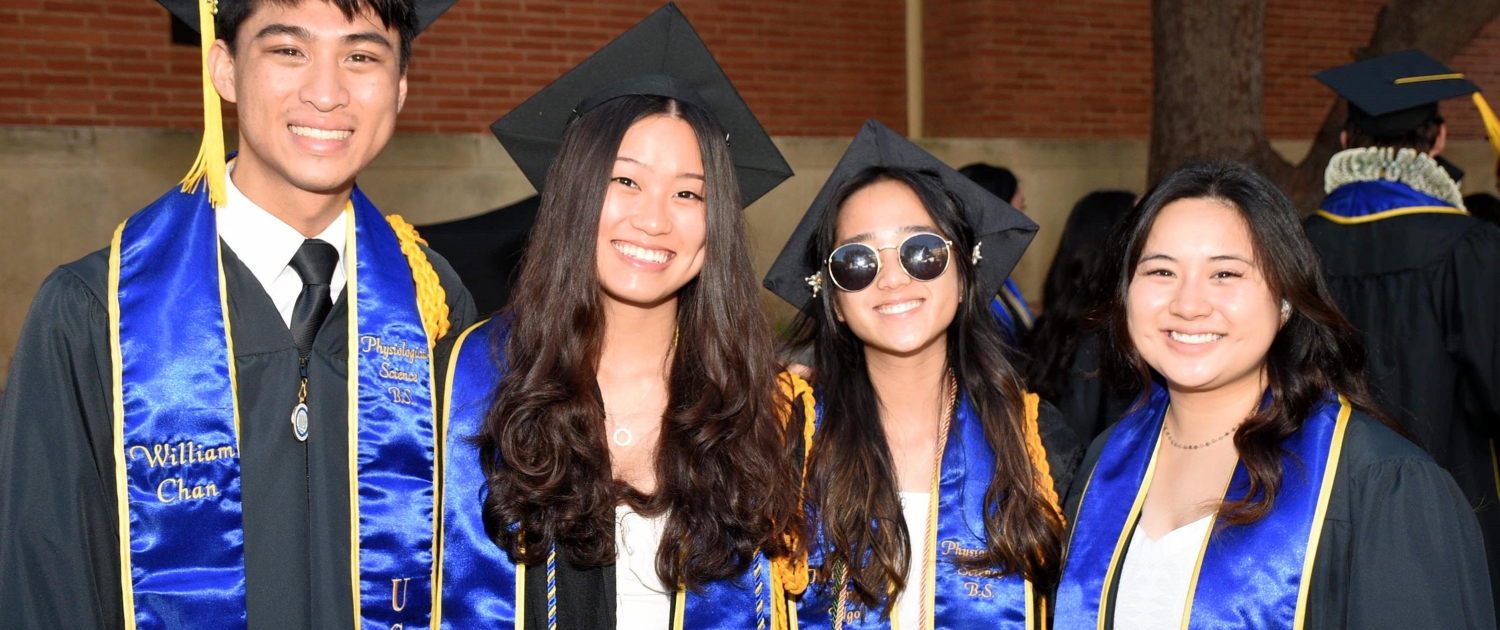
The department is proud of its long history in training the next generation of thinkers and leaders in science and medicine. The department offers an Undergraduate Program (B.S. in Physiological Science) as well as a two-year, research-oriented Master’s Program (M.S. in Physiological Science). We are a co-founder and home to the Molecular, Cellular, and Integrative Physiology (MCIP) Interdepartmental Ph.D. Program, which is one of 11 Ph.D.-granting programs in the Graduate Programs in Biosciences (GPB) at UCLA. The department is also highly engaged with the Undergraduate Neuroscience Interdepartmental Program (UNSIDP). Specifically, IBP provides administrative expertise and support for UNSIDP’s leadership; staff; instruction; curriculum; courses; teaching assistants; and financial support for selected activities.
Events
Stay Connected